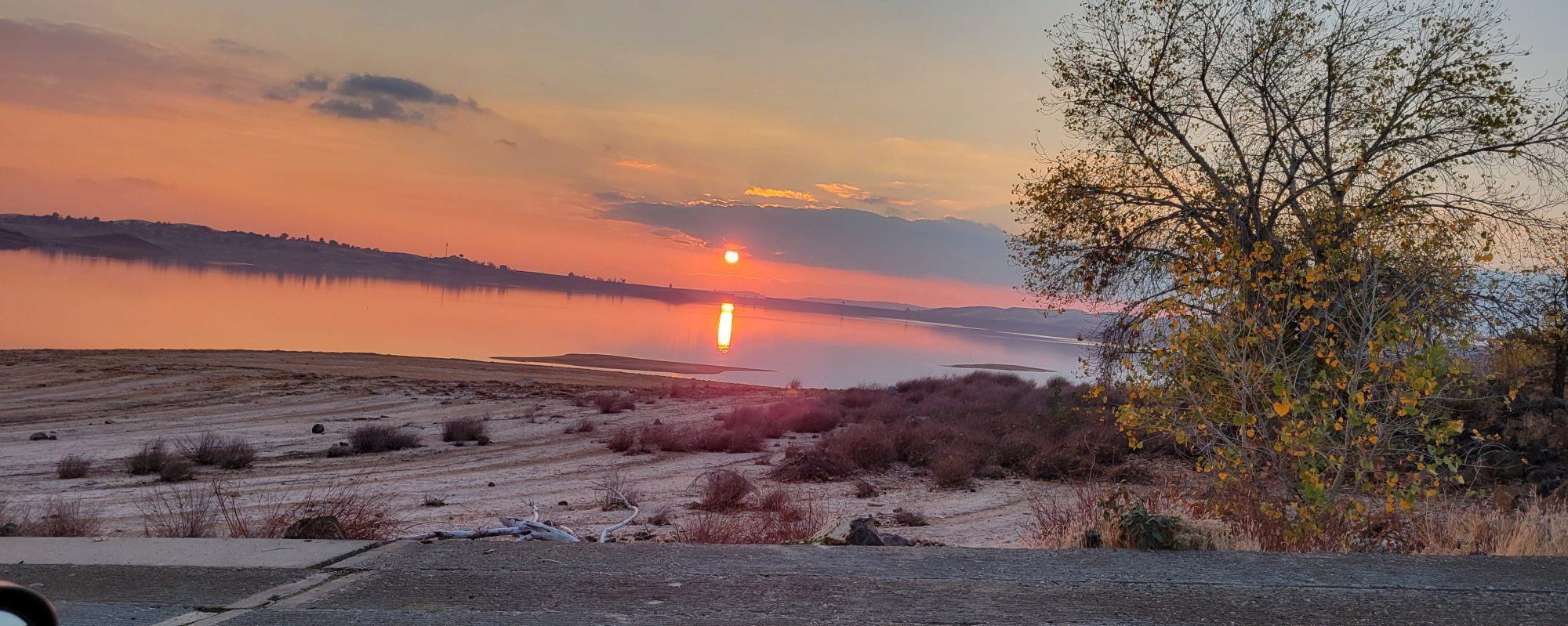

San Antonio is one of my favorite cities to visit for so many reasons. It’s a city that pleasantly surprises you with its rich culture, deep history, and laid-back atmosphere. Between visiting The Alamo and exploring San Antonio Missions National Historical Park, you really get a deeper appreciation for the history that shaped Texas.
Although we only ate out once during our visit, San Antonio is well known for its incredible food scene and flavorful Tex-Mex cuisine. It definitely gave me a reason to come back because next time I visit, I plan to spend more time enjoying the local flavors.
The biggest reason I love San Antonio is the San Antonio River Walk downtown. You could easily spend an entire day walking along the river, shopping, dining, and soaking in the atmosphere. It’s one of those places that feels lively while still being incredibly relaxing.
Beyond all of that, there’s still so much more to experience in San Antonio, and the welcoming people make the trip even better. It’s a destination that keeps calling you back for another visit.
Alamo
“Remember the Alamo” is one of the most famous phrases tied to Texas history—but what does it actually mean?
The phrase became a powerful rally cry during the Texas Revolution, honoring the Texan defenders who lost their lives at Battle of the Alamo while fighting for independence from Mexico.
After the fall of The Alamo, the phrase was used to inspire and motivate Texan troops led by Sam Houston. Just three weeks later, those forces defeated Antonio López de Santa Anna’s army at the Battle of San Jacinto, securing Texas’ independence.
Today, “Remember the Alamo” remains a lasting symbol of sacrifice, resilience, and an important chapter in Texas history.


My visit to The Alamo was something I had been looking forward to, especially because my trip lined up with the May 2 “Step Back in Time: Discover Essential Frontier Skills” event during the Alamo’s “Texas Trades” Living History program. With guest speakers and only a limited number of living history events offered throughout the year, my expectations were high to get a glimpse of what life was really like in the 1800s.
The experience did not disappoint. From learning about frontier skills to hearing historical presentations, it added another layer of appreciation for the history behind The Alamo.
Admission to The Alamo is $14 and includes access to the historic church and the surrounding grounds, making it a worthwhile stop when visiting San Antonio.


These 3 actors were the only ones that I encountered during my visit. It was very neat to see cannon around the Alamo.
The inside of The Alamo was both fascinating and heartbreaking at the same time. While walking through the historic church, I noticed graffiti etched into the walls that dates back to the 1800s. Some of the markings were located in hard-to-reach areas, which suggests there may have once been a second floor, while others were etched much lower.
Seeing those markings was incredibly interesting because they offer a glimpse into the people who passed through The Alamo long after the famous battle. At the same time, it felt a little sad knowing such a historic place had been altered over the years. It’s a reminder that preserving history hasn’t always been a priority, but those marks have now become part of the story itself.


I’m glad I visited The Alamo because I now have a much better understanding of what it represents and why it holds such an important place in Texas history. Learning about the battle and the meaning behind the phrase “Remember the Alamo” gave me a deeper appreciation for the site.
That said, I don’t feel the need to visit it again—but I absolutely recommend seeing The Alamo at least once. It’s worth experiencing firsthand to better understand the history and why “Remember the Alamo” remains such a well-known phrase today
Riverwalk
While you’re in downtown San Antonio, you absolutely have to visit the San Antonio River Walk. It’s located just one block from The Alamo and is one of the city’s most iconic attractions.
The San Antonio River Walk is a pedestrian-only pathway located one level below the street, creating a unique experience right in the heart of downtown. The main downtown section features about 2.5 miles of walkways on both sides of the river, winding past restaurants, shops, and popular attractions. Beyond downtown, the river walk extends approximately 15 more miles.
If you’ve never been, I highly recommend setting aside a full day to explore the city—grab lunch, do some shopping, and take in the sights while enjoying everything the San Antonio River Walk has to offer.


You can even take a boat tour along the San Antonio River Walk. GO RIO River Cruises offers a variety of options, including a narrated sightseeing tour that lasts about 35 minutes, dinner cruises, and shuttle services—so you can choose the experience that best fits your plans.
One thing to note if you’re traveling with pets: dogs aren’t allowed on the cruises, which stopped us from going during our recent visit. We had planned to take a river cruise, but life had other plans and we didn’t make it happen this time.
If you’re interested in learning more about cruise options, schedules, or pricing, check out GO RIO River Cruises before your visit.

While we were downtown, we had lunch at The Republic of Texas which sits right on the water. My expectation for the hambuger was high. The burger was a little dry but not to bad.


Mission San Jose
The missions of San Antonio are managed by the National Park Service and are the only UNESCO World Heritage Site in Texas. Together, they form San Antonio Missions National Historical Park, where each mission has served as the center of a community dating back to the 1700s.
Mission San Jose—often called the “Queen of the Missions”—is the largest and most well-known along the mission trail. It’s also the only mission that has been extensively restored, offering visitors a clearer sense of what daily life was like during the mission era.


The living quarters consisted of a room and a kitchen. They were furnished with a grinding stone called a metate, a a traditional flat round griddle called comal, a pot, water jar, closet, pantry, bed, and dresser, based from The national park app. During its peak in 1768, 350 people lived inside these wall, that’s amazing !


This was probably a fireplace for heat, but it made me think a a pizza oven.

Fort Houston National Cemetery
I haven’t yet made it to the East Coast to visit Arlington National Cemetery, but I felt this experience was the closest I’ve come to something similar. Visiting a national cemetery is overwhelming in the most humbling way.
Row after row of identical white headstones stretches across the landscape, each one marking a life and a story. The sheer number of graves is striking, and it creates a powerful sense of reflection and respect. Driving through the cemetery, it was impossible not to feel the weight of what it represents.
If you know me, you know I like to pay my respects to those who came before us—especially those who gave their lives for the freedoms we have today. As we slowly drove through, I couldn’t help but become emotional. It was quite a moving experience that stays with you long after you leave.

In the end, San Antonio is a destination that brings history, culture, and everyday enjoyment together in a way few cities can. From the powerful legacy of The Alamo and the historic missions along the San Antonio Missions National Historical Park, to the lively atmosphere of the San Antonio River Walk, there is something meaningful to experience at every turn.
Whether you’re walking through centuries of history, enjoying Tex-Mex flavors, or simply spending the day exploring the river, the city offers a balance of reflection and relaxation. It’s easy to see why so many visitors fall in love with it.
San Antonio may not be a place you need to revisit often, but it’s absolutely a place worth experiencing at least once. It leaves you with a deeper appreciation of Texas history—and a reminder of why its stories still matter today.